Introduction
Touchless bathroom fixtures represent a significant evolution in home plumbing technology, combining enhanced hygiene with sleek modern design. These hands-free solutions use advanced sensor technology to activate faucets, toilets, soap dispensers, and other bathroom components without physical contact, dramatically reducing the spread of germs and bacteria while creating a more luxurious user experience.
Homeowners planning bathroom remodels, health-conscious individuals, and anyone interested in modern home automation should consider integrating touchless bathroom fixtures into their design plans. The technology has matured significantly, offering reliable performance alongside impressive water-saving capabilities.
In this comprehensive guide, you’ll learn about the various types of touchless fixtures available, their hygiene benefits, design considerations, installation requirements, and how to select the best options for your specific needs and budget.
The Science Behind Touchless Bathroom Fixtures
Modern touchless bathroom fixtures primarily rely on three types of sensor technology: infrared sensors, ultrasonic sensors, and capacitive sensors. Infrared sensors detect body heat and movement, typically activating when hands are placed within 4-6 inches of the fixture. Ultrasonic sensors use sound waves to detect presence, while capacitive sensors respond to the electrical field of the human body.
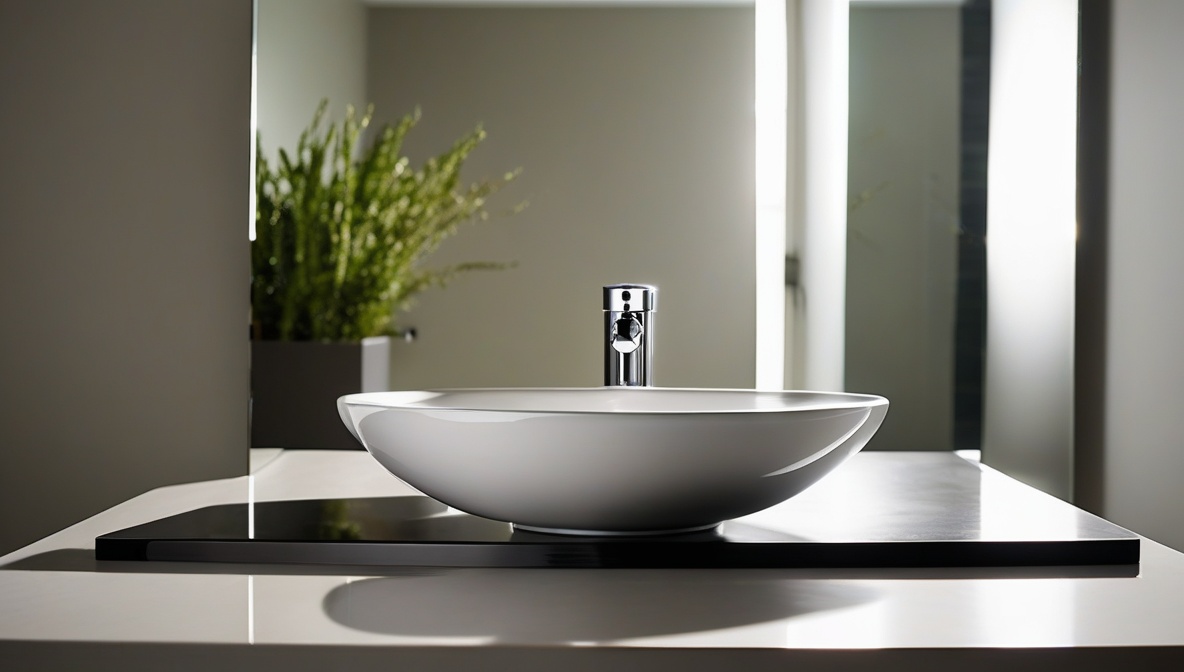
The most common and reliable technology uses passive infrared (PIR) sensors combined with active infrared beams. This dual-sensor approach minimizes false activations while ensuring consistent performance across different lighting conditions and user skin tones.
Water Efficiency and Environmental Benefits
According to EPA WaterSense, touchless faucets can reduce water consumption by up to 30% compared to traditional manual fixtures. The precise flow control prevents users from leaving water running unnecessarily, and many models include programmable flow rates and automatic shutoff timers.
Most touchless fixtures feature flow rates between 0.35 to 1.5 gallons per minute (GPM), with many models earning WaterSense certification for their efficiency. This water conservation translates to lower utility bills and reduced environmental impact over the fixture’s lifespan.
Types of Touchless Bathroom Fixtures
Touchless Faucets
Touchless faucets are the most popular hands-free bathroom fixture, available in countless styles from contemporary to traditional. Key features include adjustable sensor range (typically 2-8 inches), temperature mixing valves for preset water temperature, and battery or AC power options.
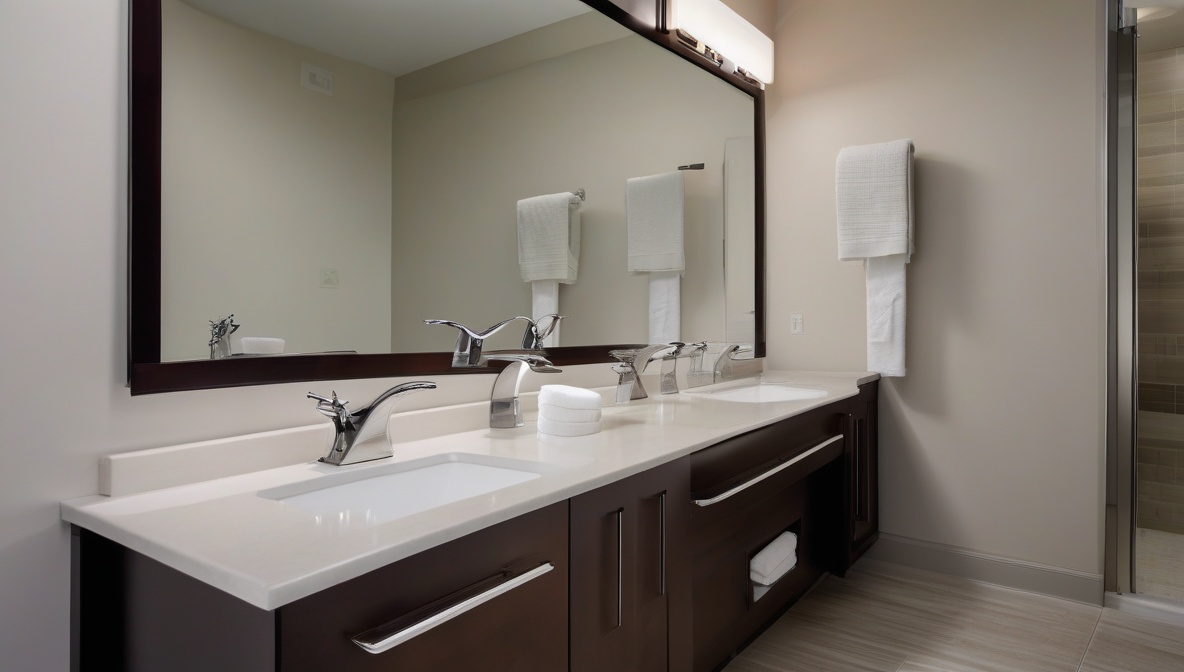
Premium models offer smartphone app connectivity, allowing users to customize activation time, flow rate, and even receive maintenance alerts. Some advanced faucets include voice activation compatibility with smart home systems.
Automatic Toilets and Bidets
Touchless toilets feature sensor-activated flushing, often combined with heated seats, automatic lid opening, and integrated bidet functions. These fixtures typically include dual-flush technology for water conservation and self-cleaning capabilities.
High-end models incorporate multiple sensors to detect user approach, seating, and departure, automatically adjusting seat position and initiating appropriate functions. Many include UV sanitization systems and antimicrobial surfaces for enhanced hygiene.
Soap and Sanitizer Dispensers
Automatic dispensers eliminate cross-contamination at the critical hand-washing stage. Available in wall-mounted, countertop, and recessed configurations, these fixtures typically hold 20-40 ounces of liquid soap or sanitizer.
Commercial-grade dispensers feature adjustable portion control, typically dispensing 0.7-1.2ml per activation, and include low-liquid indicators. Some models accommodate both foam and liquid soaps with interchangeable pump mechanisms.
Hygiene Benefits and Health Considerations
The primary advantage of touchless bathroom fixtures lies in their ability to minimize disease transmission through contact surfaces. Traditional bathroom fixtures harbor numerous pathogens, including E. coli, norovirus, and various respiratory viruses that can survive on surfaces for days or weeks.
Research demonstrates that touchless fixtures can reduce bacterial contamination by up to 85% compared to manual alternatives. This reduction is particularly significant in powder rooms and guest bathrooms where multiple users interact with the same surfaces.
Antimicrobial Finishes and Materials
Many touchless fixtures incorporate antimicrobial coatings and materials that actively inhibit bacterial growth. Copper-infused finishes, silver ion technology, and specialized ceramic glazes provide continuous sanitization between uses.
These treatments are particularly effective against common bathroom pathogens and remain active for the fixture’s lifetime, providing an additional layer of protection beyond the touchless activation.
Design Integration and Aesthetic Considerations
Modern touchless bathroom fixtures seamlessly blend technology with sophisticated design aesthetics. Leading manufacturers offer extensive finish options, including brushed nickel, matte black, polished chrome, and oil-rubbed bronze, ensuring compatibility with any design scheme.
As noted by Architectural Digest, the key to successful integration lies in selecting fixtures that complement rather than dominate the overall bathroom design. Sleek, minimalist profiles work well in contemporary spaces, while more traditional styling suits classic bathroom designs.
Sensor Placement and Visibility
Premium touchless fixtures feature discreetly integrated sensors that maintain clean design lines. The most sophisticated models hide sensors within the fixture body or spout, using nearly invisible windows that don’t compromise the aesthetic appeal.
Proper sensor placement ensures reliable activation while preventing accidental triggering from nearby movement. Most quality fixtures allow sensor sensitivity adjustment during installation to optimize performance for specific bathroom layouts.
Practical Applications and Installation Considerations
Installing touchless bathroom fixtures requires careful planning for power supply, plumbing modifications, and sensor positioning. Most fixtures operate on 6V battery power (4 AA batteries lasting 2-3 years) or 120V AC power with low-voltage transformers.
AC-powered fixtures offer consistent performance without battery maintenance concerns but require electrical rough-in during construction or remodeling. Battery-powered options provide installation flexibility and continue operating during power outages.
Retrofit Installations
Many touchless faucets can retrofit existing installations with minimal plumbing modifications. The key considerations include adequate clearance for sensor operation, power source accessibility, and compatibility with existing valve and drain assemblies.
According to Bob Vila, professional installation ensures optimal performance and warranty compliance, particularly for complex fixtures with multiple functions or smart home integration.
Maintenance Requirements
Touchless fixtures require regular sensor cleaning to maintain reliability. Use mild, non-abrasive cleaners and avoid harsh chemicals that might damage sensor windows or antimicrobial coatings.
Battery-powered fixtures typically provide low-battery warnings through LED indicators or reduced activation response. Replacing batteries annually, regardless of indicator status, ensures consistent performance.
Cost Analysis and Return on Investment
Touchless bathroom fixtures typically cost 2-4 times more than comparable manual fixtures, with basic touchless faucets starting around $150 and premium models exceeding $800. However, the investment offers multiple returns through water savings, reduced maintenance, and enhanced property value.
Water savings alone can offset the additional cost over 5-7 years, while the hygiene benefits and convenience factor add intangible value. High-end touchless fixtures often become selling points for homes, particularly appealing to health-conscious buyers.
Long-term Durability
Quality touchless fixtures typically offer 10-15 year lifespans with proper maintenance. The electronic components usually carry 5-year warranties, while mechanical parts often include lifetime guarantees from reputable manufacturers.
Commercial-grade fixtures designed for high-traffic environments offer enhanced durability and may provide better long-term value for busy family bathrooms or guest facilities.
Smart Home Integration
Advanced touchless bathroom fixtures increasingly offer smart home compatibility, connecting via Wi-Fi or Bluetooth to provide remote control, usage monitoring, and predictive maintenance alerts. These features enable water usage tracking, customizable activation settings, and integration with whole-home automation systems.
Voice control compatibility with Alexa, Google Assistant, and Apple HomeKit allows users to activate fixtures, adjust temperatures, or check battery status through voice commands, adding another layer of hands-free convenience.
Frequently Asked Questions
How long do batteries last in touchless bathroom fixtures?
Most touchless faucets using 4 AA batteries will operate for 2-3 years with typical residential use (approximately 3,000-6,000 activations). Higher-traffic situations may require annual battery replacement. Premium fixtures often include low-battery indicators and some offer rechargeable battery options.
Can touchless fixtures work during power outages?
Battery-powered touchless fixtures continue operating normally during power outages. AC-powered models will not function without electricity unless they include battery backup systems. This is an important consideration for areas prone to power interruptions.
Do touchless faucets require special plumbing?
Most touchless faucets connect to standard plumbing systems with minimal modifications. They typically require the same water supply lines and drain connections as manual faucets. The main difference is the need for battery compartment access or electrical connections for AC-powered models.
How sensitive are the sensors, and do they cause false activations?
Modern touchless fixtures feature adjustable sensor sensitivity and sophisticated programming to minimize false activations. Quality fixtures distinguish between intentional hand placement and incidental movement, with activation zones typically ranging from 2-8 inches that can be customized during installation.
Are touchless bathroom fixtures suitable for children and elderly users?
Yes, touchless fixtures often work better for children and elderly users than manual controls. They eliminate the need for grip strength or dexterity to operate handles, and many models allow sensor height and sensitivity adjustments to accommodate users of different heights and mobility levels.
What happens if the sensors get dirty or covered?
Dirty or covered sensors may reduce activation reliability or prevent operation entirely. Regular cleaning with mild soap and water maintains optimal performance. Most sensors use infrared technology that can penetrate light dust or water spots but require clear sensor windows for best results.
Can I install touchless fixtures myself, or do I need a professional?
Basic touchless faucet installations can often be completed by experienced DIYers, particularly when replacing existing fixtures. However, installations requiring electrical work, significant plumbing modifications, or integration with smart home systems typically benefit from professional installation to ensure proper operation and warranty compliance.
Conclusion
Touchless bathroom fixtures represent a meaningful advancement in home hygiene and convenience, offering significant benefits that justify their higher initial cost. The combination of reduced disease transmission, water conservation, and modern aesthetic appeal makes these fixtures an excellent investment for bathroom remodeling projects.
When selecting touchless bathroom fixtures, prioritize quality sensors, reliable power systems, and designs that complement your overall bathroom aesthetic. Consider your household’s usage patterns, maintenance preferences, and smart home integration goals to choose fixtures that will provide years of reliable, hygienic service.
The technology has matured to the point where touchless fixtures offer the reliability and performance homeowners expect, while continuing to evolve with new features and capabilities. As we move forward, these fixtures will likely become standard elements in well-designed bathrooms, much like automatic lights and programmable thermostats have become expected features in modern homes.
References
- EPA WaterSense – Water Efficiency Standards and Certification
- Architectural Digest – Bathroom Design and Fixture Integration
- Bob Vila – Home Improvement and Fixture Installation
