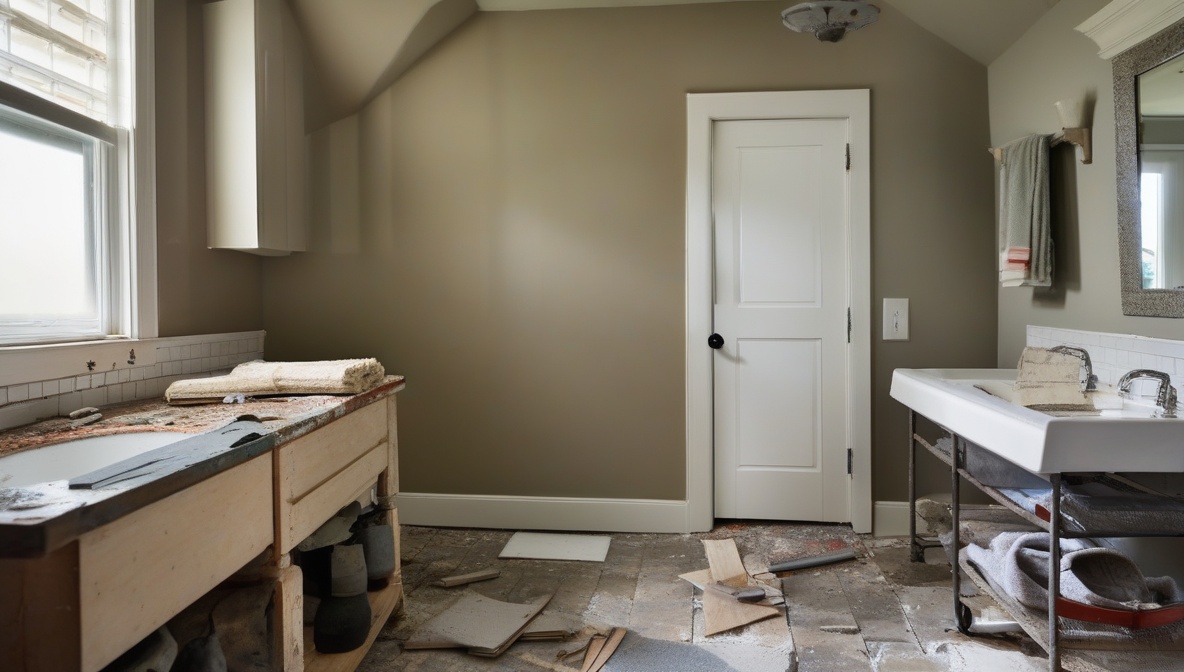
Deciding between a DIY bathroom remodel and hiring professionals represents one of the most significant choices homeowners face when upgrading their space. This bathroom remodel decision impacts not only your budget but also the timeline, quality, and long-term satisfaction with your renovation. Whether you’re dealing with a cramped powder room or a master suite transformation, understanding the implications of each approach will help you make the right choice for your specific situation and skill level.
This comprehensive guide will walk you through the critical factors that should influence your bathroom remodel decision, from cost considerations and time investments to skill requirements and potential pitfalls. By the end, you’ll have a clear framework for determining which path aligns best with your goals, budget, and capabilities.
Understanding the True Costs of Each Bathroom Remodel Approach
The financial aspect often drives the initial bathroom remodel decision, but the true cost comparison goes beyond simple material expenses. A DIY bathroom remodel typically costs 50-70% less than professional installation when you only consider material costs. However, this calculation becomes more complex when you factor in tool purchases, permit fees, potential mistakes, and the value of your time.
According to Houzz, professional bathroom renovations range from $15,000 to $35,000 for mid-range projects, while high-end remodels can exceed $50,000. DIY projects using the same materials might cost $8,000 to $20,000, but this assumes you already own necessary tools and make no costly errors requiring professional intervention.
Hidden costs in DIY projects include specialized tools (tile saws, plumbing equipment, electrical testers), permit applications, and potential rework when installations don’t meet code. Professional projects include these costs upfront but offer warranties, insurance coverage, and guaranteed code compliance.
Bathroom Remodel Material Cost Breakdown
Materials typically represent 40-50% of total professional project costs. Major components include:
- Fixtures (toilet, vanity, shower/tub): $2,000-$8,000
- Tiles and flooring: $1,500-$4,000
- Plumbing supplies: $800-$2,500
- Electrical components: $500-$1,500
- Paint and finishing materials: $300-$800
Professional labor adds 50-60% to these material costs, while DIY projects allow you to capture this savings if you can execute the work properly.
Time Investment and Project Timeline Realities
Time considerations extend far beyond the actual bathroom remodel duration. Professional teams typically complete bathroom renovations in 2-3 weeks, working efficiently with specialized tools and coordinated scheduling. DIY projects often stretch 6-12 weeks, particularly when working evenings and weekends around other commitments.
The learning curve significantly impacts DIY timelines. Tasks that professionals complete in hours may require days for first-time renovators. Researching techniques, watching tutorials, making multiple hardware store trips, and correcting mistakes all extend project duration.
Consider the inconvenience factor: living without a functional bathroom affects your entire household. Professional projects minimize this disruption through efficient scheduling, while extended DIY timelines can strain family relationships and daily routines.
Critical Path Planning for Bathroom Remodel Success
Both approaches require careful sequencing, but DIY projects demand more detailed planning since you can’t rely on professional experience. Key phases include:
- Demolition and disposal (2-5 days DIY, 1-2 days professional)
- Rough-in plumbing and electrical (3-7 days DIY, 1-2 days professional)
- Inspection and approval (1-2 weeks regardless of approach)
- Drywall and waterproofing (2-4 days DIY, 1 day professional)
- Tile installation (4-8 days DIY, 2-3 days professional)
- Fixture installation and finishing (3-5 days DIY, 1-2 days professional)
Skill Assessment and Learning Requirements
Honest skill evaluation proves crucial for bathroom remodel success. Basic projects requiring primarily cosmetic updates (painting, vanity replacement, fixture swapping) suit many DIY enthusiasts. However, projects involving plumbing relocation, electrical upgrades, or structural modifications demand advanced skills or professional expertise.
Family Handyman emphasizes that successful DIY bathroom renovations require proficiency in multiple trades: plumbing, electrical work, tiling, carpentry, and finishing. Few homeowners possess expertise across all these areas, leading to compromised results or safety issues.
Consider your comfort level with:
- Reading and interpreting building codes
- Working with water and electrical systems
- Precision measuring and cutting
- Problem-solving unexpected complications
- Operating power tools safely
When Professional Expertise Becomes Essential
Certain bathroom remodel elements require professional involvement regardless of your skill level. Structural modifications, major plumbing relocations, and electrical panel upgrades typically require licensed professionals for safety and code compliance. Many jurisdictions require professional installation for specific components to maintain insurance coverage.
Gas line work, load-bearing wall modifications, and complex waterproofing systems represent high-risk areas where professional expertise prevents costly and dangerous mistakes.
Quality and Longevity Considerations
Professional bathroom remodel results typically offer superior quality and longevity due to specialized knowledge, proper tools, and warranty coverage. Experienced contractors understand substrate preparation, waterproofing requirements, and finishing techniques that ensure lasting performance.
DIY quality varies dramatically based on individual skill, patience, and attention to detail. While motivated homeowners can achieve excellent results, rushed or improperly executed work often requires expensive corrections within a few years.
Professional work includes warranties covering both materials and labor, providing protection against defects and installation issues. DIY projects rely solely on material warranties, leaving you responsible for any installation-related problems.
Long-term Value Impact of Bathroom Remodel Decisions
Home value considerations factor into the bathroom remodel equation. Professional renovations typically recoup 60-70% of investment costs at resale, while poorly executed DIY work may actually decrease property value. High-quality DIY work can match professional value returns, but achieving this level requires exceptional skill and attention to detail.
Hybrid Approaches: Finding Middle Ground
Many successful bathroom remodel projects combine DIY and professional elements, maximizing cost savings while ensuring critical work meets professional standards. Common hybrid approaches include:
- Hiring professionals for plumbing and electrical rough-in, completing finishing work yourself
- Professional tile installation with DIY painting and fixture installation
- DIY demolition and preparation with professional installation
- Professional design consultation with DIY execution
This approach requires careful coordination and clear communication about responsibilities, warranties, and liability. Some contractors resist hybrid arrangements, so discuss this option early in your planning process.
Permits, Codes, and Legal Considerations
Building permits apply equally to DIY and professional bathroom remodel projects, but professionals typically handle permit applications and inspections as part of their service. DIY renovators must navigate permit requirements independently, understanding local codes and scheduling inspections appropriately.
Code compliance carries legal and safety implications regardless of who performs the work. However, professional contractors maintain current code knowledge and assume liability for compliance, while DIY renovators bear full responsibility for understanding and meeting all requirements.
Insurance considerations also differ between approaches. Professional work typically includes liability coverage, while DIY projects may affect homeowner’s insurance coverage, particularly if code violations occur.
Making Your Bathroom Remodel Decision: A Practical Framework
Choose DIY bathroom remodel when you have:
- Relevant experience across multiple trades
- Adequate time for extended project timelines
- Access to necessary tools and equipment
- Alternative bathroom facilities during renovation
- Comfort with permitting and inspection processes
- Budget constraints requiring maximum cost savings
Choose professional bathroom remodel when:
- Project involves complex plumbing or electrical work
- Time constraints require efficient completion
- Quality and warranty protection are priorities
- Local codes require professional installation
- Budget allows for professional services
- You lack experience with renovation projects
Bathroom Remodel Budget Allocation Strategies
Regardless of your approach, allocate 10-20% of your budget for unexpected issues. Older homes particularly benefit from larger contingency reserves as hidden problems frequently emerge during renovation.
According to National Association of Home Builders, proper planning and realistic budgeting prevent most project failures, whether DIY or professional. Factor in all costs, including permits, tools, disposal fees, and temporary accommodations if necessary.
References
- Houzz – Home Renovation and Design Platform
- Family Handyman – DIY Home Improvement Resources
- National Association of Home Builders – Industry Standards and Guidelines
Frequently Asked Questions
Can I save money by doing partial DIY work on my bathroom remodel?
Yes, hybrid approaches often provide significant savings while maintaining professional quality for critical components. Focus DIY efforts on demolition, painting, and simple fixture installation while hiring professionals for plumbing, electrical, and complex tile work. This typically saves 20-40% compared to full professional installation while avoiding major risks.
How do I know if my bathroom remodel requires permits?
Most bathroom renovations require permits when involving plumbing modifications, electrical upgrades, or structural changes. Cosmetic updates like painting and vanity replacement typically don’t require permits. Contact your local building department early in planning to understand specific requirements for your project scope.
What’s the biggest mistake people make with DIY bathroom remodels?
Underestimating waterproofing requirements represents the most costly DIY mistake. Improper waterproofing behind tiles and around fixtures leads to mold, rot, and structural damage requiring expensive repairs. If you choose DIY, invest heavily in learning proper waterproofing techniques or hire professionals for this critical component.
How long should I expect my bathroom to be out of service?
Professional renovations typically require 2-3 weeks of limited bathroom access, with 3-5 days of complete unavailability. DIY projects often extend 6-12 weeks total, with intermittent availability depending on your progress. Plan alternative arrangements, especially for single-bathroom homes.
Should I tackle my first renovation project with a bathroom remodel?
Bathrooms present unique challenges including waterproofing, precise tile work, and multiple trade coordination. Consider starting with simpler projects like bedroom painting or closet organization to build skills before attempting bathroom renovation. If you do choose bathroom work as a first project, focus on cosmetic updates rather than major modifications.
How do I find reliable contractors for professional bathroom remodel work?
Start with referrals from friends, neighbors, and local hardware stores. Verify licensing, insurance, and Better Business Bureau ratings. Interview at least three contractors, comparing detailed written estimates and timeline commitments. Check recent project references and visit completed work when possible.
What tools do I need for a DIY bathroom remodel?
Essential tools include tile saw, drill/driver, level, measuring tools, safety equipment, and basic plumbing tools. Specialized tools like pipe cutters, electrical testers, and demolition equipment may require rental or purchase. Factor tool costs into your budget comparison, as they can add $1,000-$3,000 to project expenses.
Conclusion
Your bathroom remodel decision between DIY and professional approaches should align with your skills, budget, timeline, and quality expectations. While DIY projects offer substantial cost savings, they demand significant time investment, multiple skill sets, and acceptance of potential quality variations. Professional renovations provide expertise, efficiency, and warranty protection but require larger budgets.
Consider hybrid approaches for optimal value, combining your strengths with professional expertise where needed. Regardless of your chosen path, thorough planning, realistic budgeting, and honest skill assessment set the foundation for renovation success. Remember that bathroom renovations significantly impact daily life, so factor convenience and timeline constraints into your decision-making process alongside cost and quality considerations.
