Selecting the right bathroom tiles can transform your space from ordinary to extraordinary, but with countless options available, the decision-making process can feel overwhelming. This comprehensive bathroom tiles guide will equip you with the expert knowledge needed to make informed choices that balance aesthetics, functionality, and longevity. Whether you’re planning a complete renovation or a strategic refresh, understanding tile materials, sizing, placement, and installation considerations is crucial for achieving professional-quality results.
Homeowners, contractors, and design enthusiasts alike will benefit from this detailed exploration of bathroom tile selection. We’ll cover everything from moisture resistance ratings to the latest design trends, ensuring you have the tools to create a beautiful, durable bathroom that adds value to your home.
Understanding Bathroom Tile Materials
The foundation of any successful bathroom tiles guide lies in understanding the unique properties of different tile materials. Each option offers distinct advantages and limitations that directly impact performance in moisture-rich environments.
Ceramic Tiles: The Reliable Foundation
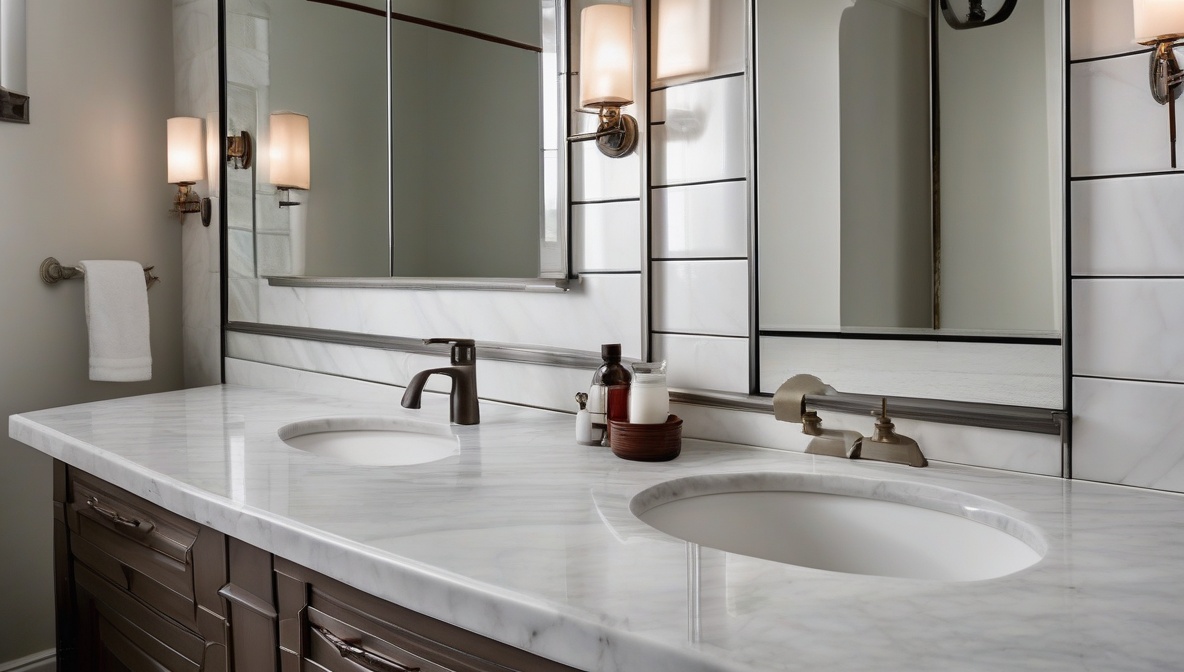
Ceramic tiles remain the most popular choice for bathroom applications, offering an excellent balance of affordability, durability, and water resistance. These tiles are manufactured from clay fired at temperatures between 1,000-1,100°F, creating a dense, non-porous surface when properly glazed. Glazed ceramic tiles achieve water absorption rates below 3%, making them suitable for most bathroom applications except continuous submersion areas.
The key advantage of ceramic tiles lies in their versatility. Available in sizes ranging from 1-inch mosaics to 24-inch large format tiles, ceramic options accommodate virtually any design vision. However, the grout lines between ceramic tiles require regular maintenance and proper sealing to prevent moisture infiltration.
Porcelain Tiles: Premium Performance
Porcelain tiles represent the premium tier of ceramic tile technology. Fired at higher temperatures (2,200-2,500°F) and manufactured from refined clay, porcelain achieves superior density and water resistance. With absorption rates typically below 0.5%, porcelain tiles qualify as impervious to water, making them ideal for shower surrounds, steam rooms, and high-moisture environments.
According to Better Homes & Gardens, porcelain tiles also offer enhanced durability against scratches, stains, and thermal shock. This makes them particularly suitable for busy family bathrooms or commercial applications where long-term performance is paramount.
Natural Stone: Timeless Elegance
Natural stone tiles, including marble, travertine, slate, and granite, bring unmatched character and luxury to bathroom spaces. However, natural stone requires careful consideration due to varying porosity levels and maintenance requirements. Marble and travertine are particularly susceptible to acid etching from common bathroom cleaners, while slate and granite offer better chemical resistance.
Stone tiles typically require professional sealing every 1-2 years to maintain water resistance and prevent staining. Despite higher maintenance requirements, natural stone tiles can last decades when properly cared for, often appreciating in value over time.
Bathroom Tiles Guide to Size and Layout
Tile size dramatically influences both the visual impact and practical considerations of your bathroom design. Understanding how different sizes affect perception, maintenance, and installation costs is essential for making informed decisions.
Small Format Tiles (Under 6 inches)
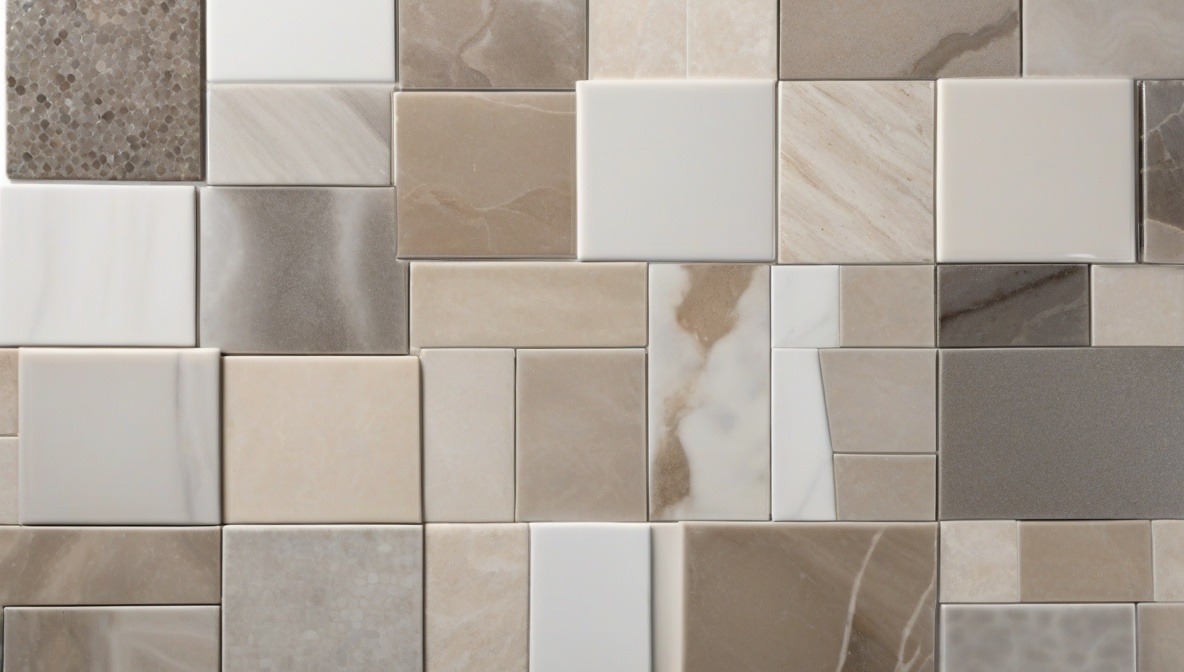
Small format tiles, including penny rounds, hexagons, and subway tiles, create visual texture and work exceptionally well in compact bathrooms. The increased number of grout lines provides enhanced slip resistance, making small tiles ideal for shower floors. However, more grout lines also mean increased maintenance requirements and potential points of failure for water infiltration.
Mosaic tiles (typically 1-2 inches) mounted on mesh backing offer installation efficiency while maintaining the aesthetic benefits of small format tiles. These work particularly well for accent walls, niches, and curved surfaces where larger tiles would require extensive cutting.
Large Format Tiles (12+ inches)
Large format tiles create a sense of spaciousness and offer several practical advantages. Fewer grout lines mean reduced maintenance and fewer potential leak points. Installation costs may be lower due to faster coverage, though handling larger tiles requires more skill and specialized tools.
The trend toward large format tiles continues to grow, with 24×48-inch planks and even larger slabs becoming increasingly popular. However, proper substrate preparation becomes critical with large tiles, as any imperfections will telegraph through the installation.
Waterproofing and Installation Considerations
Even the highest-quality tiles will fail without proper waterproofing systems. Modern bathroom construction standards emphasize comprehensive moisture management rather than relying solely on tile and grout as waterproof barriers.
Waterproof Membranes
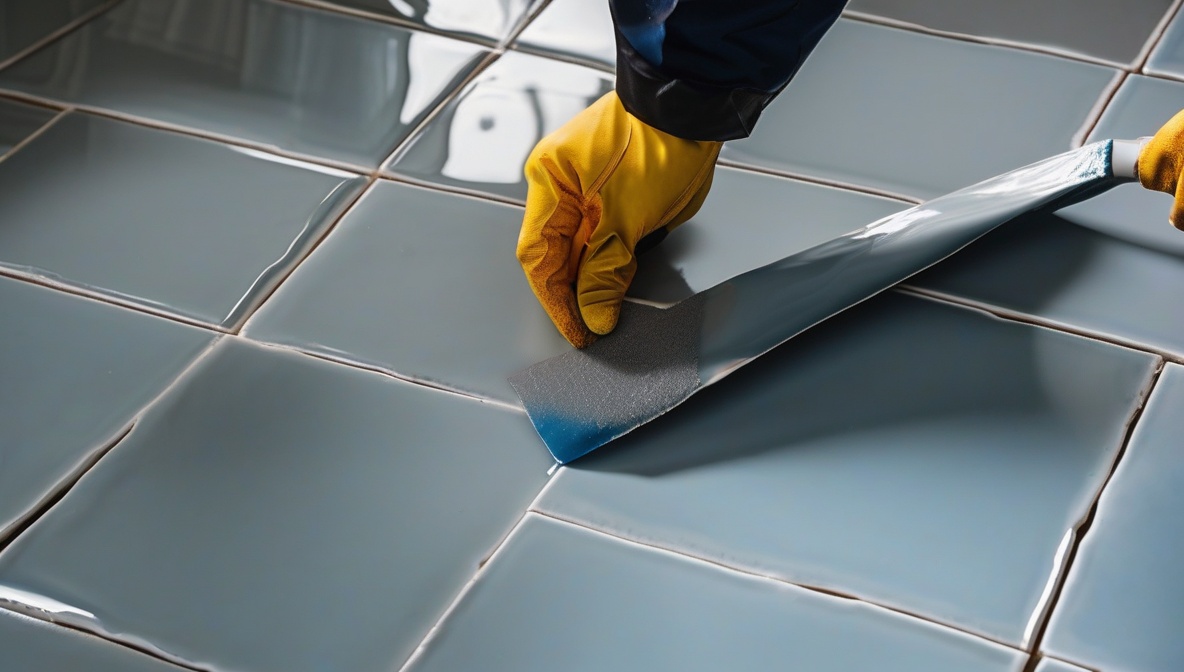
Professional installations now incorporate waterproof membranes beneath tile installations, particularly in shower areas. These membranes create a secondary barrier that prevents water from reaching structural elements even if tile or grout fails. Options include liquid-applied membranes, sheet membranes, and integrated foam board systems.
The National Association of Home Builders emphasizes that proper waterproofing extends beyond the tile installation, encompassing proper drainage, ventilation, and moisture vapor management throughout the entire bathroom assembly.
Substrate Preparation
The substrate beneath your tiles must be structurally sound, level, and appropriate for the chosen tile material. Concrete backer board or fiber cement boards provide stable, moisture-resistant substrates for ceramic and porcelain tiles. For natural stone, additional considerations include alkalinity levels that could cause discoloration or etching.
Floor deflection standards require subflooring systems to limit deflection to L/360 for ceramic tiles and L/720 for natural stone, where L represents the span length. Excessive deflection leads to cracked tiles and grout failure over time.
Practical Applications and Design Strategies
Implementing your bathroom tiles guide knowledge requires understanding how different applications within the bathroom demand specific tile characteristics and installation approaches.
Shower Area Specifications
Shower floors require tiles with enhanced slip resistance, typically achieving a Coefficient of Friction (COF) rating of 0.42 or higher when wet. Smaller tiles naturally provide better slip resistance due to increased grout lines, but larger tiles can be specified with textured surfaces to achieve necessary safety ratings.
Proper slope (minimum 1/4 inch per foot toward drains) must be maintained regardless of tile choice. Linear drains offer more flexibility for large format tiles compared to traditional center point drains, which may require extensive cutting and complex slopes.
Wall Applications
Shower walls experience different stresses than floors, allowing for larger format tiles and different material considerations. The key factors include thermal expansion, substrate movement, and cleaning accessibility. Wall tiles should be installed with appropriate expansion joints at changes in plane and material transitions.
Consider installing tiles slightly proud of fixture flanges rather than caulking around fixtures. This approach provides cleaner lines and reduces maintenance-intensive caulk joints that commonly fail over time.
Floor Heating Integration
Radiant floor heating systems pair excellently with tile floors but require specific installation considerations. Electric mat systems work well under ceramic and porcelain tiles, while hydronic systems can accommodate any tile material with proper installation techniques.
Thermal expansion becomes more significant with floor heating, requiring appropriate expansion joints and flexible installation methods. Family Handyman recommends using heating system manufacturers’ approved installation methods to maintain warranty coverage while ensuring optimal performance.
Budget Planning and Cost Considerations
Successful bathroom tile projects require realistic budget planning that accounts for materials, installation, and long-term maintenance costs. Understanding these factors helps prioritize spending for maximum impact and value.
Material Cost Ranges
Ceramic tiles typically range from $1-8 per square foot, while porcelain tiles cost $3-15 per square foot. Natural stone varies widely, from $5-50+ per square foot depending on the specific stone and finish quality. However, material costs represent only 20-30% of total project costs in professionally installed projects.
Installation costs vary by region and complexity but typically range from $5-15 per square foot for standard installations. Complex patterns, multiple tile sizes, or challenging layouts can increase installation costs by 50-100%.
Long-term Value Considerations
Higher-quality tiles often provide better long-term value despite increased upfront costs. Porcelain tiles may cost 50% more than ceramic initially but can last twice as long with significantly lower maintenance requirements. Natural stone, while expensive initially, often appreciates in value and can last generations with proper care.
Factor in maintenance costs when making selections. Heavily textured tiles that provide excellent slip resistance may require professional cleaning services to maintain appearance, while smooth, large format tiles can often be maintained with standard household cleaning methods.
References
- Better Homes & Gardens – Home Design and Renovation Resource
- National Association of Home Builders – Construction Standards and Best Practices
- Family Handyman – DIY and Home Improvement Guidance
Frequently Asked Questions
What size tiles make a small bathroom look bigger?
Large format tiles (12 inches or larger) with minimal grout lines create the illusion of more space by reducing visual breaks. Light-colored tiles with glossy finishes further enhance this effect by reflecting light and creating a more open feeling.
How do I choose between ceramic and porcelain tiles for my bathroom?
Choose porcelain for high-moisture areas like shower surrounds, steam rooms, or if you want maximum durability. Ceramic works well for walls and low-moisture floor areas where budget is a primary consideration. Porcelain’s lower water absorption rate (under 0.5%) makes it superior for wet environments.
What’s the best grout for bathroom tiles?
Epoxy grout offers the best performance for bathrooms due to its stain resistance and waterproof properties, though it’s more difficult to install. For most applications, high-quality sanded or unsanded polymer-modified grout with proper sealing provides excellent results at lower cost.
Should I use the same tile on walls and floors?
Using the same tile creates visual continuity and can make spaces appear larger. However, ensure floor tiles meet slip resistance requirements (COF 0.42+ when wet). Many manufacturers offer coordinating collections with appropriate tiles for different applications.
How important is professional installation for bathroom tiles?
Professional installation is highly recommended for bathroom tiles due to waterproofing requirements, proper slope creation for drainage, and substrate preparation needs. Poor installation can lead to water damage, mold growth, and costly repairs that far exceed initial installation savings.
What maintenance should I expect with different tile materials?
Glazed ceramic and porcelain tiles require minimal maintenance beyond regular cleaning and periodic grout sealing. Natural stone needs professional sealing every 1-2 years and pH-neutral cleaners to prevent damage. Textured tiles may require periodic deep cleaning to maintain appearance.
How do I ensure my tile installation lasts 20+ years?
Invest in proper waterproofing systems, use appropriate substrates, maintain proper expansion joints, and select tiles rated for your specific application. Regular maintenance including grout sealing and prompt repair of any damage prevents small issues from becoming major problems.
