Ultimate Sustainable Bathroom Design Guide: Revolutionary Eco-Friendly Solutions
Sustainable bathroom design has evolved from a niche interest into a mainstream movement that’s reshaping how we approach home remodeling. As environmental consciousness grows and energy costs continue to rise, creating an eco-friendly bathroom isn’t just about making a statement—it’s about making smart choices that benefit both your wallet and the planet.
This comprehensive approach to <a href="https://bathroomremodelcleveland.net/2026/02/08/ultimate-compact-bathroom-storage-solutions-guide/" title="bathroom renovation“>bathroom renovation combines cutting-edge sustainable materials, water-efficient fixtures, and biophilic design principles to create spaces that are both luxurious and environmentally responsible. Whether you’re planning a complete renovation or making targeted upgrades, understanding these principles will help you create a bathroom that performs beautifully while minimizing its environmental impact.
In this guide, you’ll discover the most effective eco-friendly materials, learn how to integrate nature-inspired design elements, and understand the practical steps needed to transform your bathroom into a sustainable sanctuary that doesn’t compromise on style or functionality.
The Foundation of Sustainable Bathroom Design
Sustainable bathroom design begins with understanding the environmental impact of traditional bathroom materials and fixtures. The average bathroom renovation generates approximately 1-3 tons of construction waste, while conventional bathrooms consume roughly 24% of a home’s total water usage. By making informed material choices and incorporating efficient systems, you can dramatically reduce both waste and ongoing resource consumption.
The core principles of sustainable bathroom design focus on three key areas: material selection, water conservation, and energy efficiency. These elements work together to create spaces that minimize environmental impact while maximizing long-term value and performance.
Material Lifecycle Considerations
When selecting materials for your sustainable bathroom design, consider the entire lifecycle from extraction to disposal. Materials with lower embodied energy, renewable sources, and recyclable components should take priority. This approach ensures your renovation has a positive environmental impact that extends far beyond the installation phase.
Eco-Friendly Materials That Transform Your Space
The materials you choose form the backbone of any sustainable bathroom design. Modern eco-friendly options offer exceptional durability, aesthetic appeal, and environmental benefits without compromising quality or style.
Sustainable Flooring Solutions
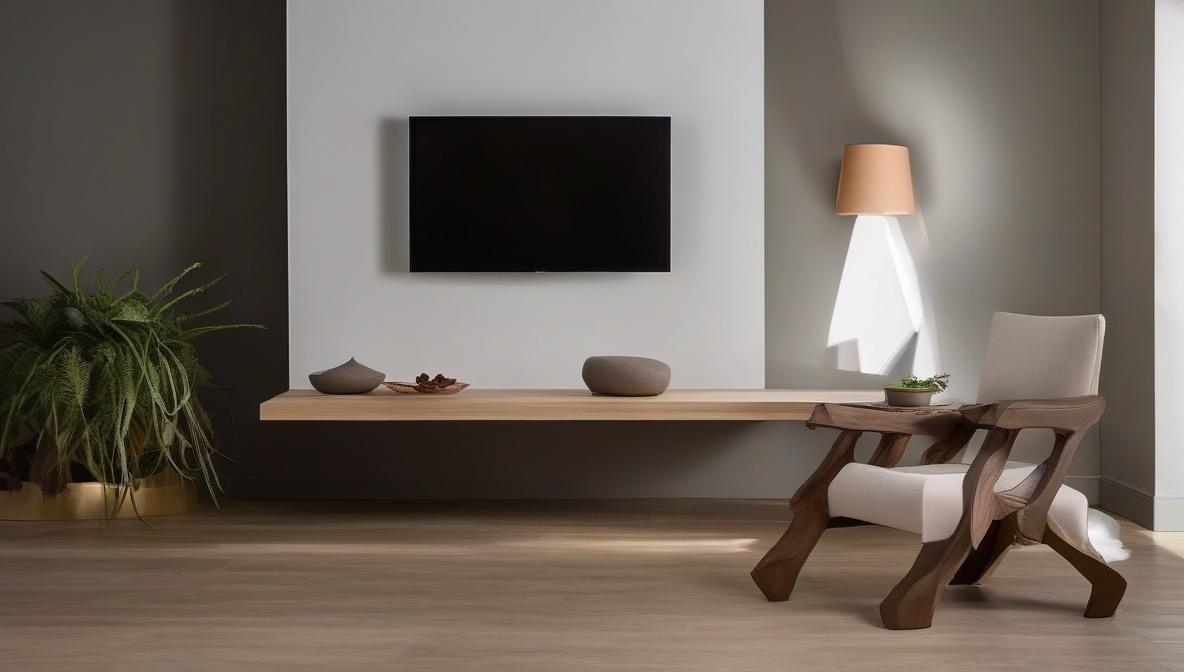
Bamboo flooring leads the sustainable flooring category with its rapid regeneration rate—bamboo reaches maturity in just 3-5 years compared to hardwood’s 25-100 years. Engineered bamboo flooring offers excellent moisture resistance and can be installed directly over existing subfloors, reducing renovation waste.
Cork flooring provides natural antimicrobial properties and exceptional comfort underfoot. Harvested from bark without harming trees, cork regenerates every 9 years and offers superior insulation properties that can reduce heating costs.
Reclaimed hardwood gives new life to materials that would otherwise contribute to landfill waste. These materials often feature unique character and patina that’s impossible to replicate with new materials, while their existing stability makes them ideal for bathroom applications when properly sealed.
Countertop Materials for Conscious Design
Recycled glass countertops combine post-consumer glass with low-VOC binders to create stunning, durable surfaces. These countertops divert approximately 85% glass content from landfills while providing non-porous surfaces that resist bacteria and staining without chemical treatments.
Reclaimed wood countertops, when sourced from salvaged structures, offer warmth and character while preventing quality timber from entering waste streams. Proper sealing with eco-friendly finishes ensures longevity in humid bathroom environments.
Paper composite countertops, made from post-consumer recycled paper and cashew nut shell resin, provide surprising durability and water resistance. These surfaces can be sanded and refinished, extending their lifespan significantly beyond traditional options.
Wall Treatments and Finishes
Low-VOC and zero-VOC paints eliminate harmful emissions that can persist for months after application. These formulations now offer coverage and durability comparable to conventional paints while supporting better indoor air quality.
Reclaimed tile options include salvaged ceramic, porcelain, and natural stone pieces that add character while reducing manufacturing demand. Many suppliers now specialize in curating high-quality reclaimed tiles that meet modern installation standards.
Natural plaster finishes, including lime-based and clay-based options, provide excellent moisture regulation while eliminating synthetic additives. These finishes can be tinted with natural pigments to achieve custom colors without chemical dyes.
Water Conservation Technology and Fixtures
Modern water-efficient fixtures form a crucial component of sustainable bathroom design, often reducing water consumption by 30-50% without sacrificing performance. According to EPA WaterSense, upgrading to efficient fixtures can save the average family more than 2,700 gallons annually.
High-Efficiency Toilets and Bidets
Dual-flush toilets offer two flush options—typically 0.8 gallons for liquid waste and 1.28 gallons for solid waste—compared to older models that use 3.5-7 gallons per flush. This technology can reduce toilet water consumption by up to 67%.
Bidet integration eliminates the environmental impact of toilet paper production and disposal while providing superior hygiene. Modern bidet seats retrofit to existing toilets and include energy-efficient features like automatic sensors and heated seats with timer controls.
Water-Efficient Showers and Faucets
Low-flow showerheads now deliver satisfying pressure while using just 1.5-2.0 gallons per minute compared to standard fixtures that use 2.5 gallons or more. Advanced designs incorporate air injection and pressure-compensating technology to maintain performance at lower flow rates.
Motion-sensor faucets prevent water waste from fixtures left running accidentally. These systems typically include manual override options and battery backup systems that ensure functionality during power outages.
Biophilic Design Elements That Connect You to Nature
Biophilic design principles integrate natural elements into interior spaces, creating environments that support well-being while reinforcing sustainable values. In bathroom applications, these elements can significantly improve air quality, humidity regulation, and psychological comfort.
Living Plant Integration
Strategic plant placement in bathrooms serves multiple functions beyond aesthetics. Plants like snake plants, pothos, and peace lilies thrive in humid conditions while actively filtering airborne toxins and regulating humidity levels naturally.
Living walls or vertical gardens create dramatic focal points while maximizing air purification benefits. These systems can be integrated with greywater recycling systems to create closed-loop sustainability cycles within the bathroom space.
Natural Light Optimization
Skylights and solar tubes bring natural light into interior bathrooms without compromising privacy. These installations reduce artificial lighting needs during daylight hours while supporting natural circadian rhythms.
Privacy glass options, including frosted and textured varieties, allow natural light penetration while maintaining privacy. These solutions eliminate the need for window treatments that can harbor moisture and require regular replacement.
Natural Material Integration
Stone and wood elements bring textural variety and natural beauty to bathroom spaces. When sourced locally, these materials reduce transportation impacts while supporting regional economies.
Water features, including small fountains or rain chains visible through windows, add auditory elements that enhance the natural ambiance while potentially supporting outdoor ecosystems.
Energy Efficiency and Climate Control
Sustainable bathroom design extends beyond materials and water conservation to encompass energy-efficient systems that reduce ongoing environmental impact and operating costs.
Efficient Ventilation Systems
Energy-recovery ventilators (ERVs) capture heat and humidity from exhaust air and transfer it to incoming fresh air. This technology reduces heating and cooling loads while maintaining excellent air quality and moisture control.
Smart ventilation controls automatically adjust fan speeds based on humidity levels and occupancy, optimizing energy use while preventing moisture-related problems.
LED Lighting Integration
LED lighting systems use 75% less energy than incandescent bulbs while lasting 25 times longer. In bathroom applications, LED strips can provide task lighting for mirrors and accent lighting for architectural features.
Circadian lighting systems adjust color temperature throughout the day to support natural sleep cycles while maximizing energy efficiency during peak usage hours.
Practical Implementation Strategies
Successfully implementing sustainable bathroom design requires careful planning and attention to both immediate and long-term considerations. HomeAdvisor research indicates that eco-friendly bathroom renovations typically cost 10-20% more initially but provide payback through reduced utility costs and increased home value within 3-7 years.
Phased Renovation Approach
For budget-conscious homeowners, implementing sustainable bathroom design in phases allows you to spread costs while making immediate impact in high-priority areas. Start with water-efficient fixtures and low-VOC finishes, then progress to larger elements like flooring and lighting systems.
This approach also allows you to test new technologies and materials on a smaller scale before committing to comprehensive changes throughout the space.
Professional Consultation Benefits
Working with contractors experienced in sustainable design ensures proper installation and system integration. According to Family Handyman, professional installation of eco-friendly bathroom fixtures typically results in 15-30% better performance compared to DIY installations.
Professionals can also identify opportunities for integration with existing home systems, such as connecting greywater recycling or coordinating ventilation with whole-house systems.
Long-Term Maintenance Considerations
Sustainable materials often require different maintenance approaches than conventional options. Natural stone may need periodic sealing, while bamboo flooring benefits from specific humidity ranges for optimal performance.
Developing maintenance schedules that align with material requirements ensures longevity and sustained performance from your sustainable bathroom design investments.
Cost Analysis and Return on Investment
Understanding the financial implications of sustainable bathroom design helps you make informed decisions about material and fixture selections. While initial costs may be higher, the long-term benefits typically provide significant returns through reduced utility costs, increased home value, and extended material lifespans.
Water-efficient fixtures alone can reduce bathroom water consumption by 30-50%, translating to annual savings of $50-200 for average households. Energy-efficient lighting and ventilation systems provide additional savings while improving comfort and air quality.
Premium sustainable materials often outlast conventional alternatives significantly. Bamboo flooring, for example, can last 20-30 years with proper care, while providing better moisture resistance than many hardwood options.
References
- EPA WaterSense – Water Efficiency Programs and Resources
- HomeAdvisor – Home Improvement Cost and Contractor Resources
- Family Handyman – DIY and Home Improvement Guidance
Frequently Asked Questions
How much more expensive is sustainable bathroom design compared to conventional renovation?
Sustainable bathroom design typically costs 10-20% more initially than conventional renovation. However, reduced utility costs, longer material lifespans, and increased home value usually provide payback within 3-7 years. Water-efficient fixtures alone can save $50-200 annually on utility bills.
Which sustainable materials work best in humid bathroom environments?
Bamboo flooring, cork tiles, recycled glass surfaces, and properly sealed reclaimed wood perform exceptionally well in humid conditions. These materials offer natural moisture resistance while maintaining their sustainable credentials. Avoid materials that require frequent chemical treatments to maintain moisture resistance.
Can I retrofit my existing bathroom with sustainable features without major renovation?
Yes, many sustainable upgrades can be implemented without major renovation. Start with low-flow fixtures, LED lighting, smart ventilation controls, and low-VOC paint. These changes provide immediate environmental and cost benefits while preparing for more comprehensive upgrades later.
How do I ensure sustainable materials are authentically eco-friendly?
Look for third-party certifications like Forest Stewardship Council (FSC) for wood products, Cradle to Cradle certification for various materials, and ENERGY STAR ratings for fixtures. Research manufacturer sustainability practices and choose suppliers who provide detailed environmental impact documentation.
What’s the most impactful single change I can make for sustainable bathroom design?
Upgrading to water-efficient fixtures provides the most immediate and measurable impact. A dual-flush toilet, low-flow showerhead, and efficient faucet can reduce bathroom water consumption by 40-60% while requiring minimal renovation work.
How do biophilic elements perform in windowless bathrooms?
Biophilic design can work effectively in windowless bathrooms through artificial lighting systems, living walls with specialized grow lights, and natural materials like stone and wood. Focus on textures, natural color palettes, and plants that thrive in low-light conditions with artificial lighting support.
Are sustainable bathroom materials suitable for high-traffic family bathrooms?
Many sustainable materials exceed conventional options in durability. Bamboo flooring, recycled glass surfaces, and reclaimed hardwood often outlast traditional materials while providing better moisture resistance and easier maintenance. Choose materials specifically rated for high-traffic commercial applications for maximum durability.
Creating Your Sustainable Sanctuary
Sustainable bathroom design represents more than an environmental choice—it’s an investment in long-term comfort, health, and financial savings. By integrating eco-friendly materials, water-efficient fixtures, and biophilic design elements, you create spaces that perform beautifully while supporting both personal well-being and environmental responsibility.
The key to successful sustainable bathroom design lies in viewing each element as part of an integrated system rather than individual upgrades. When materials, fixtures, and design elements work together, they create synergistic benefits that exceed the sum of their individual contributions.
As you plan your sustainable bathroom renovation, remember that small changes can provide significant impact. Whether you’re implementing a complete transformation or making selective upgrades, each sustainable choice contributes to a more environmentally responsible and personally satisfying space that will serve you well for decades to come.
{
“@context”: “https://schema.org”,
“@type”: “Article”,
“headline”: “Ultimate Sustainable Bathroom Design Guide: Revolutionary Eco-Friendly Solutions”,
“description”: “Transform your space with sustainable bathroom design using eco-friendly materials and biophilic trends. Expert tips for environmentally conscious remodeling.”,
“author”: {
“@type”: “Organization”,
“name”: “bathroomremodelcleveland.net”
},
“publisher”: {
“@type”: “Organization”,
“name”: “bathroomremodelcleveland.net”
},
“datePublished”: “2026-02-09”,
“dateModified”: “2026-02-09”,
“keywords”: “sustainable bathroom design”
}
